Information And Aid With Event Wall Problems And Basic Surveyors
@stephenlzus819
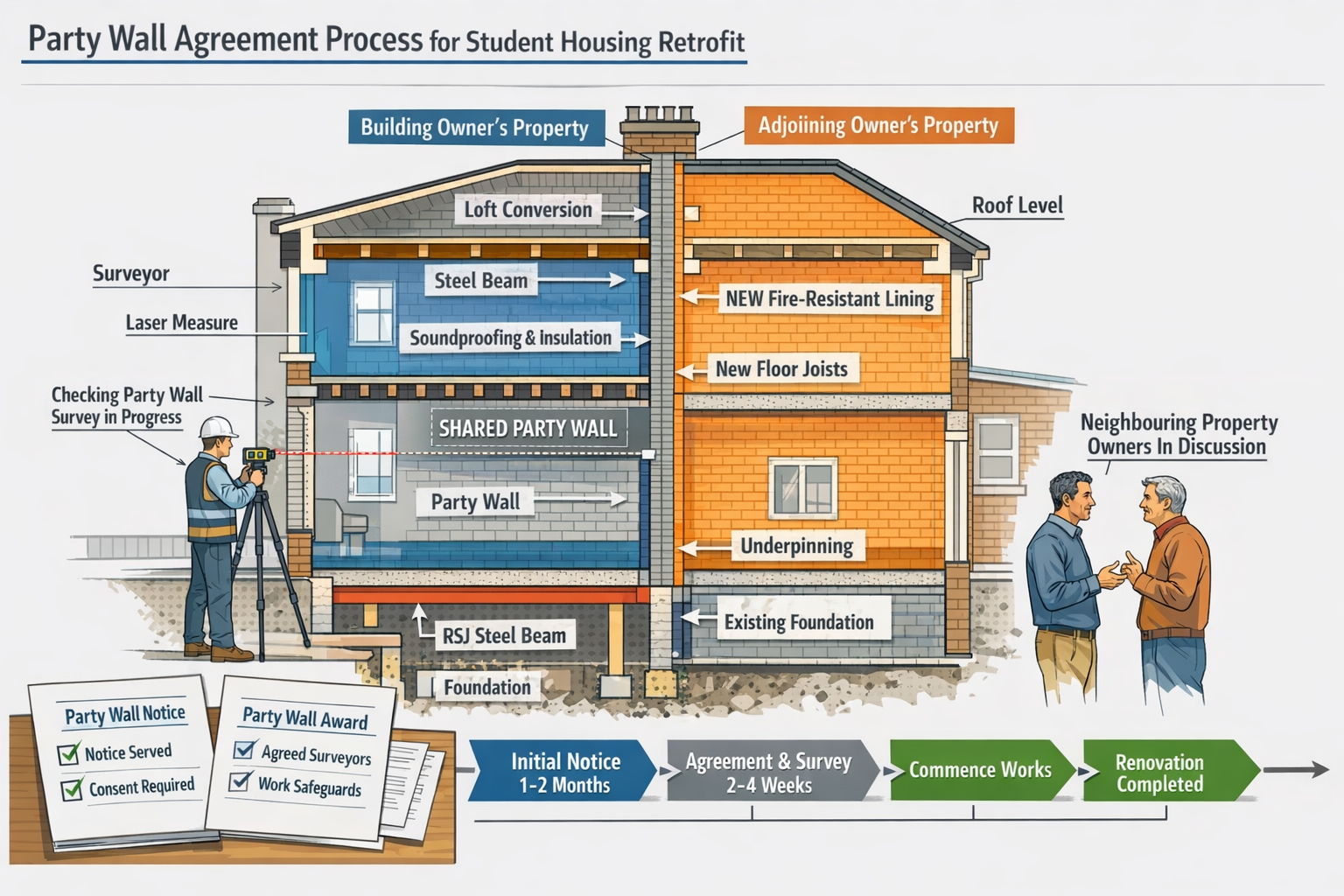
That pays for an event wall property surveyor?
Secret Takeaways - That Spends For a Party Wall Land Surveyor? The structure proprietor normally spends for all surveyor fees under the Act. Exemptions apply if the adjoining proprietor demands work or gain from the building and construction. Surveyor expenses must be affordable and proportionate.
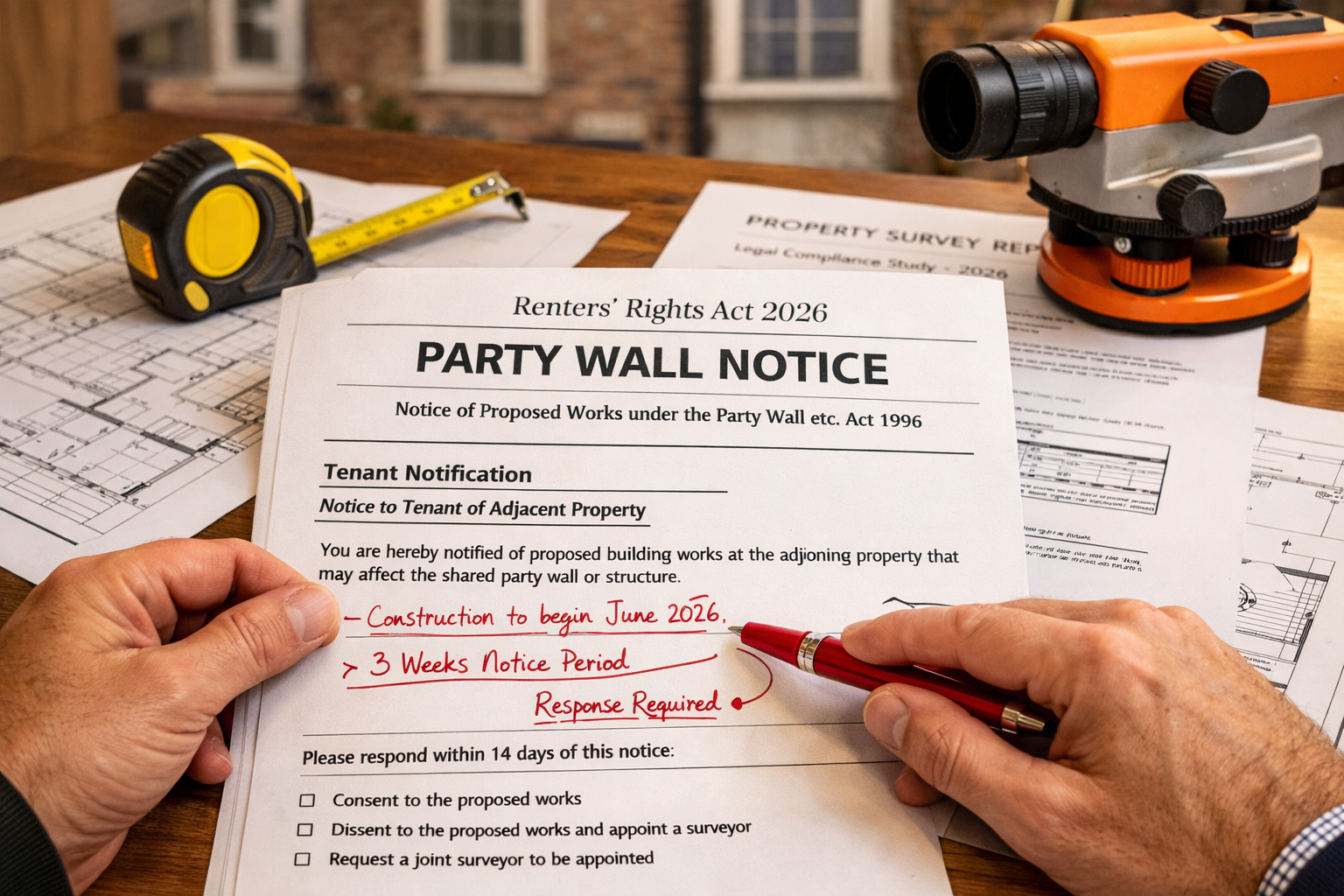
Usual Circumstances
The building owner is additionally typically in charge of the cost of fixing any damage triggered by the jobs to the adjacent property. Established in 2012-- Robertson LLP's mission is to provide premium quality legal services with integrity, professionalism and trust and regard for our clients and our neighborhood. We will commit ourselves to our client's goals by giving fairly sound lawful advise and critical recommendations. Understanding the Party Wall surface Act work from the beginning guarantees a smoother, safer, and lawfully compliant building procedure. With clear knowledge of event wall surface notice needs, excavation regulations, architectural ramifications, and land surveyor participation, property owners can Survey One Leasehold Reform Solutions prevent conflicts and progress with confidence. The potential downsides of common walls can be difficult and require mindful consideration. First, maintenance obligations usually become a factor of contention.- This added stability can likewise be a variable when negotiating your house owner's insurance-- an essential part of homeownership-- as it might provide peace of mind and possibly reduce premiums.
- Living in a townhouse or condo with a party wall can be difficult, particularly when it comes to noise grievances, upkeep duties, and the possibility for remodellings.
- Because party wall surfaces are shared, it's not uncommon for next-door neighbors to disagree.
Solutions
One usual resource of tension we've continuously located is repair services and upkeep. If each party finds splits, leakages, or structural wear, that tends to cause debates on that need to cover the expense or arrange for the job to be done. Building brand-new floors, building side or rear expansions, getting rid of chimney breasts, or changing load-bearing aspects almost constantly drop under the Act. These jobs bring residential or commercial property expansion legal requirements right into focus and typically need a formal notice prior to the work starts. Stopping working to adhere to these regulations might cause event wall disputes or expensive delays. Without clear arrangements or understanding of these laws, disputes over changes or repair work might rise right into pricey lawful issues. Because of this, it's essential to have clear interaction and participation between adjacent proprietors. The Act applies whenever work influences celebration walls, boundary wall surfaces, or structures near to another home. In the instance of a home acquisition, your lawyer will certainly assess the existing celebration wall surface contract signed up on the title of the home. They will discuss your rights, ownership and obligations as consented to in the existing celebration wall surface contract and suggest you if there is anything that may be of issue. It is very important to recognize what you and your next-door neighbors can/ can refrain in respect to your residential or commercial property and any type of shared common wall surface( s) (celebration wall). The normal service was for one event to sell a fractional strip of land to the various other to correct the condition. As an example, when 9 Republic was constructed, the western celebration wall surface was located entirely on the owner's land, rather than straddling the line between 9 and 11 Republic. If you purchase a building without such an arrangement in position, speak with your legal representative regarding developing a correct agreement in between on your own and the various other celebration, and having it registered on title to avoid any kind of potential disputes in the future. A party wall is a common wall shared in between owners of adjacent residential or commercial properties. Instances of this include semi-detached townhouses, adjoining condo devices or duplexes.◇